
What a Pixel Tag Can Tell You About a Missing Bag
Google’s November 2026 Pixel Tag brings together a network sighting and nearby directional finding. Each answers a different question.
Understand the devices, software and networks you use every day.
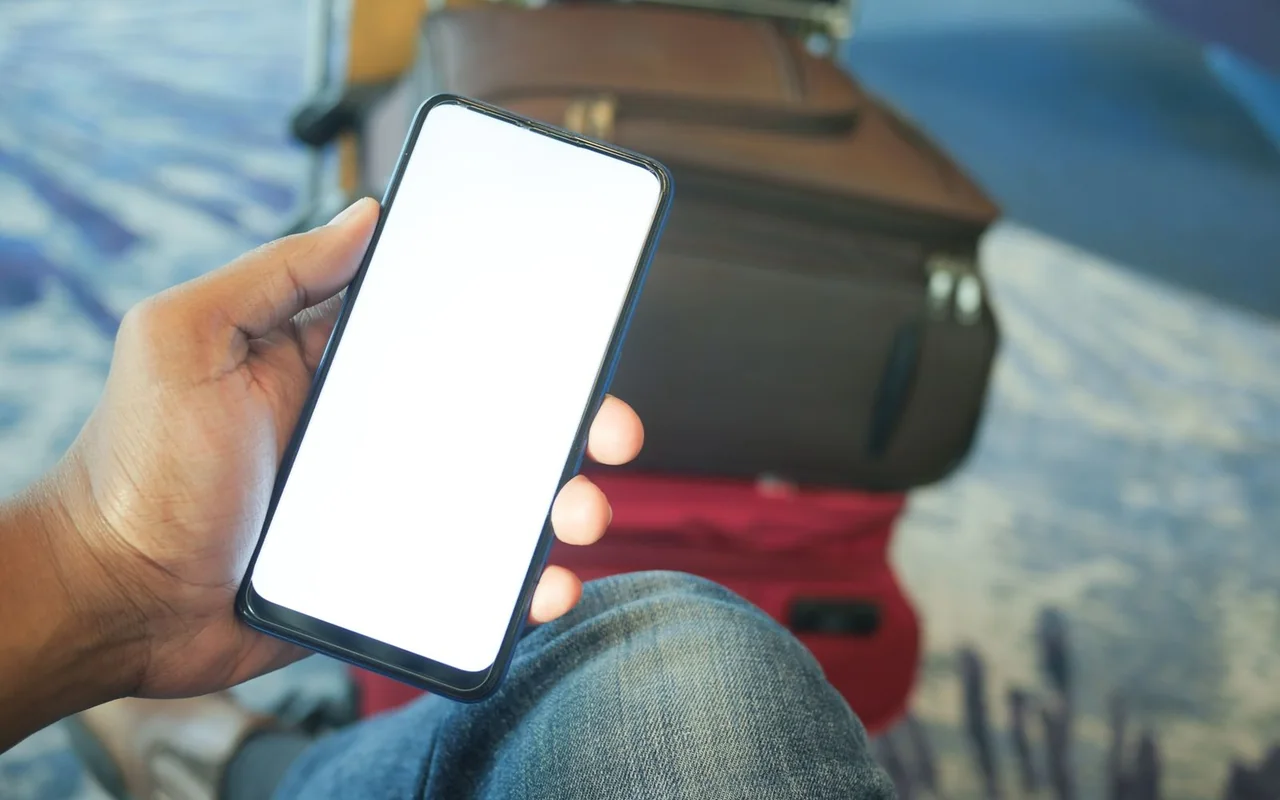
Google’s November 2026 Pixel Tag brings together a network sighting and nearby directional finding. Each answers a different question.

Read blur, noise and detail separately when a phone switches cameras or crops its main sensor.

Compare fit, speech clarity and sound leakage without using volume to mask traffic.

Trace one library loan and one owned book through formats, accounts and offline reading.
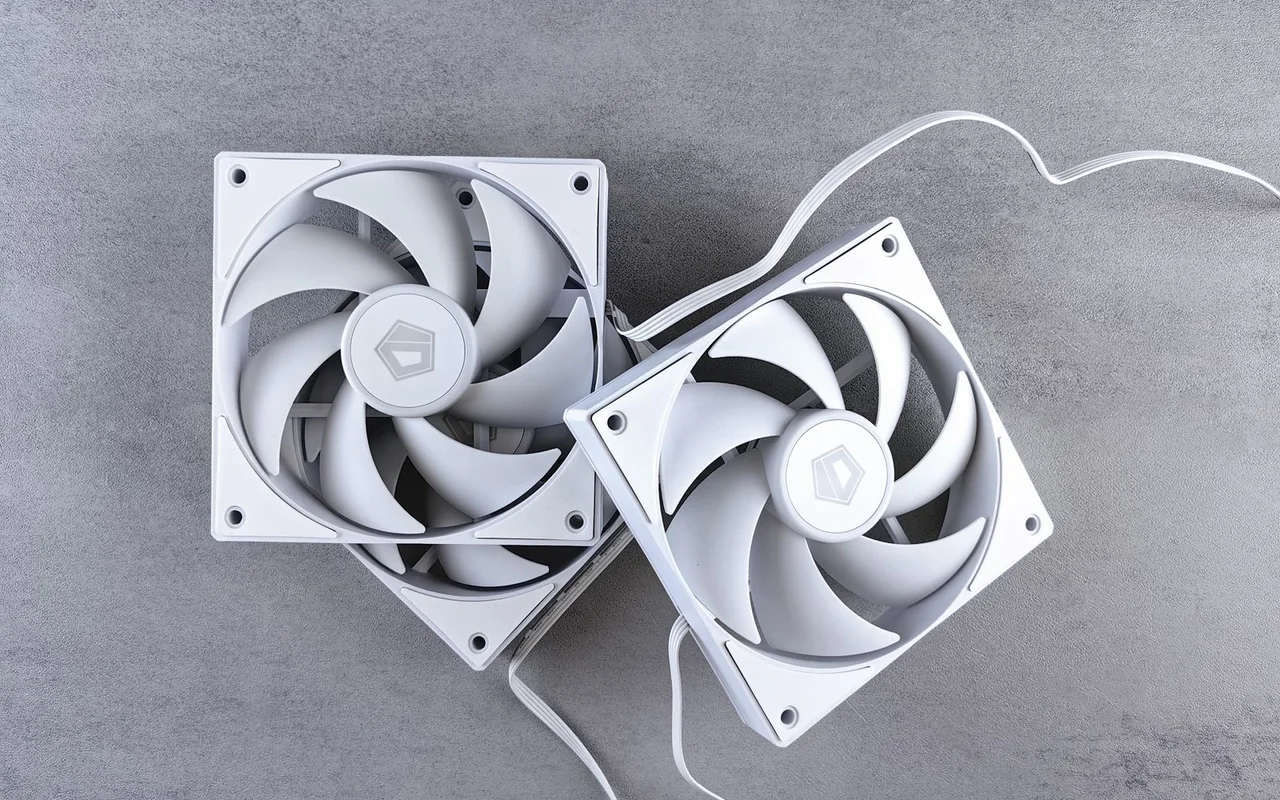
Separate a cooling adjustment from a vibration, GPU fan or changing background workload.
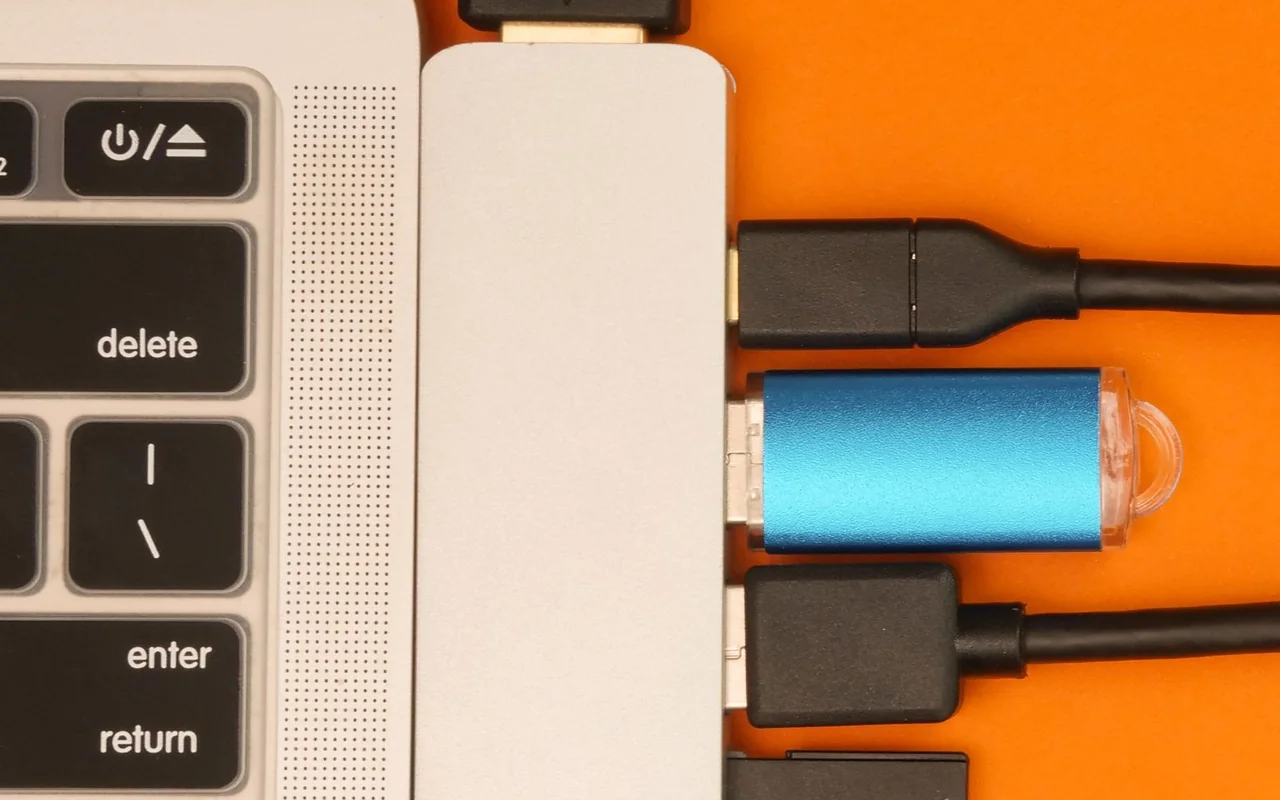
Trace the signal from laptop port through dock and cable to each display input.
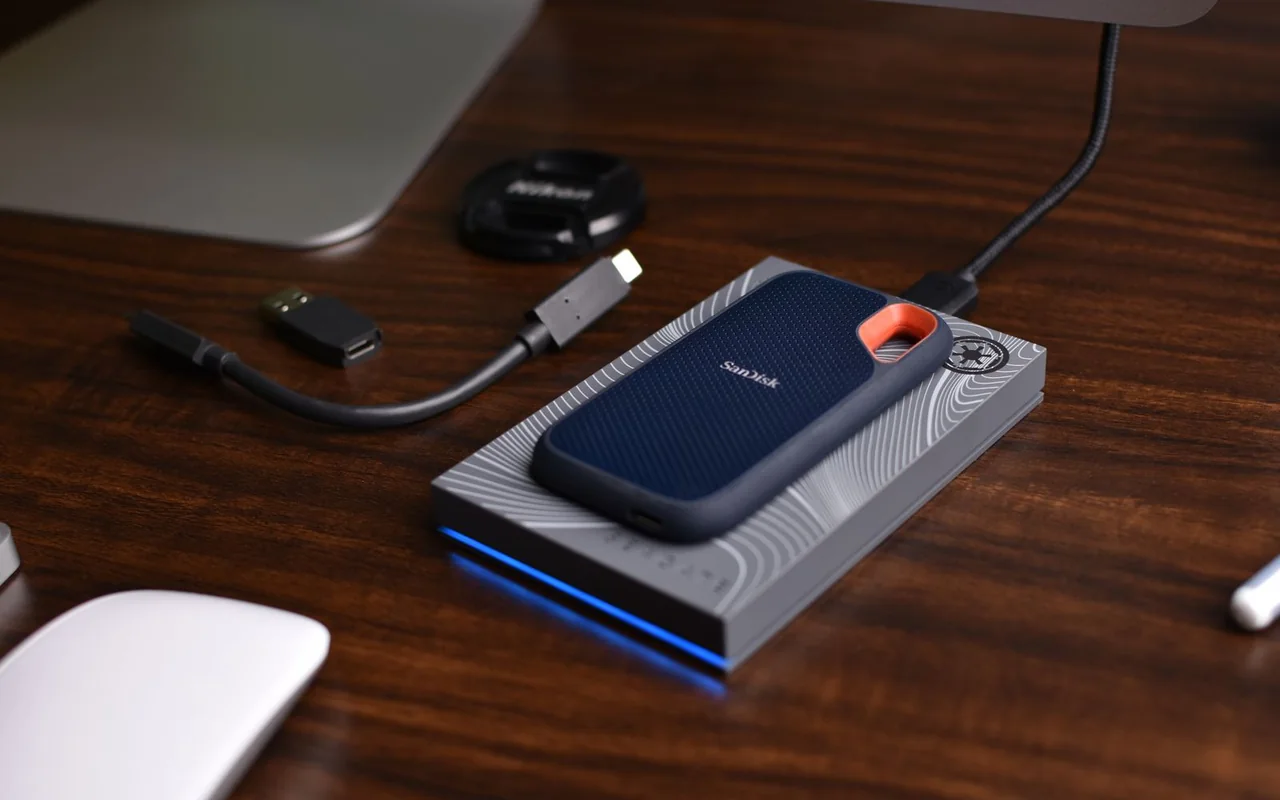
A sustained copy can show how cache, temperature, enclosure and host port shape usable speed.
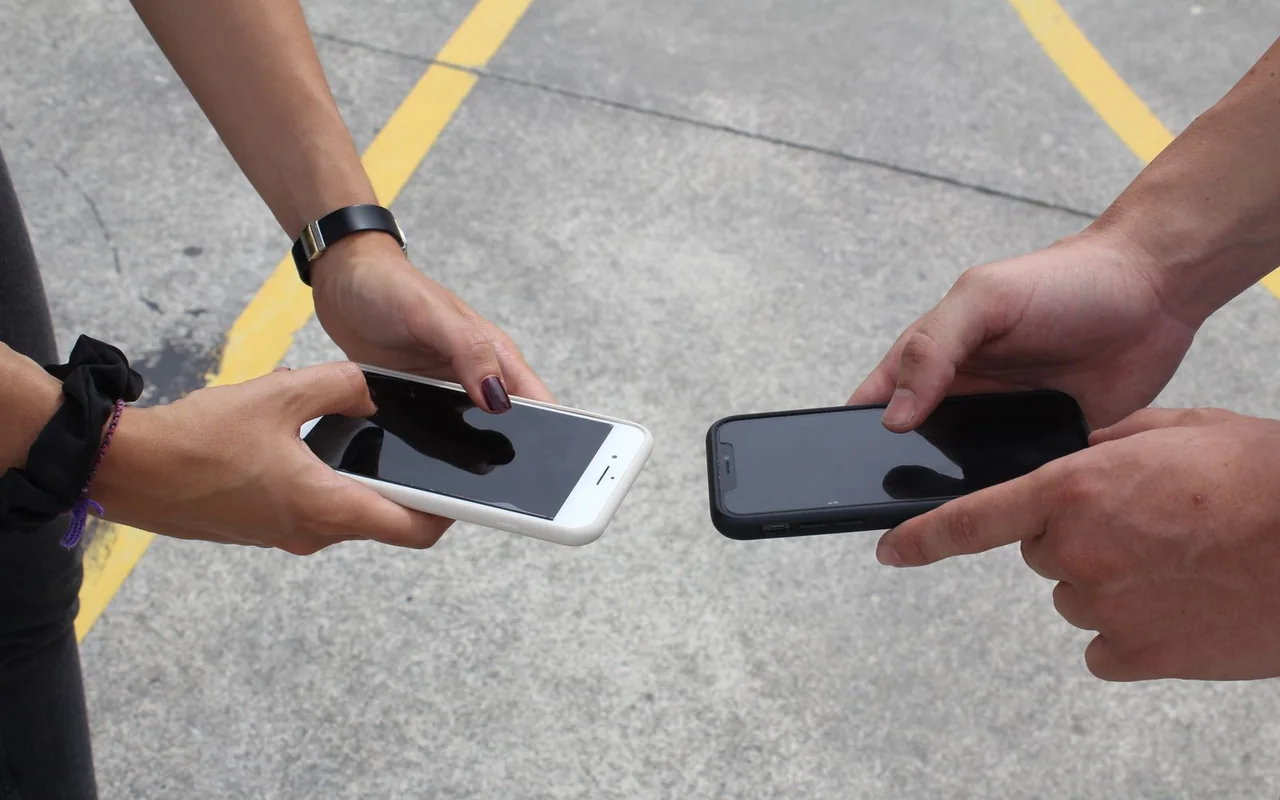
The 2026 rollout is worth checking conversation by conversation, especially after a group or network changes.
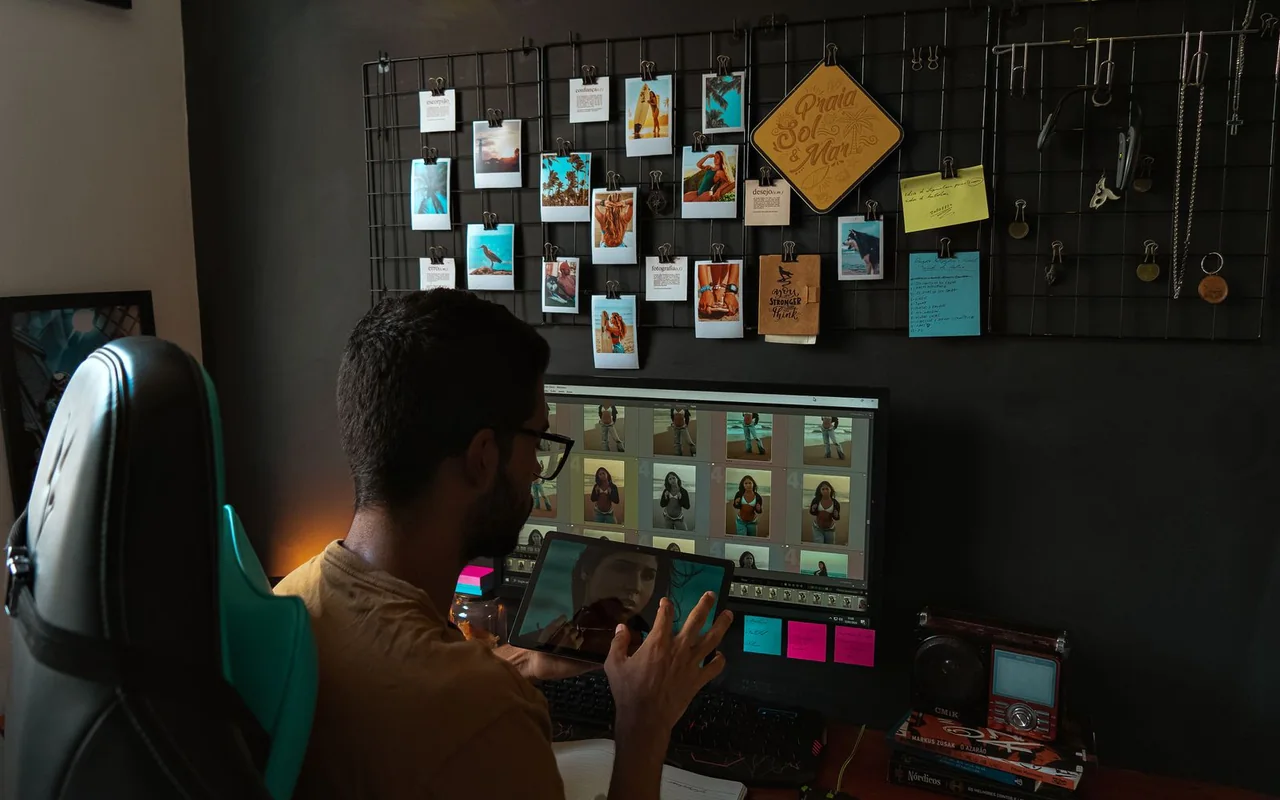
Keep originals, stable dates and portable descriptions together when exporting a small test library.

Distinguish device access from account recovery and verify a spare method while your main device still works.

An early gateway announcement puts the focus on reliability. A home network test starts where a connection actually fails.

A magnetic contact sensor depends on gap, material, alignment and the behavior of the door itself.
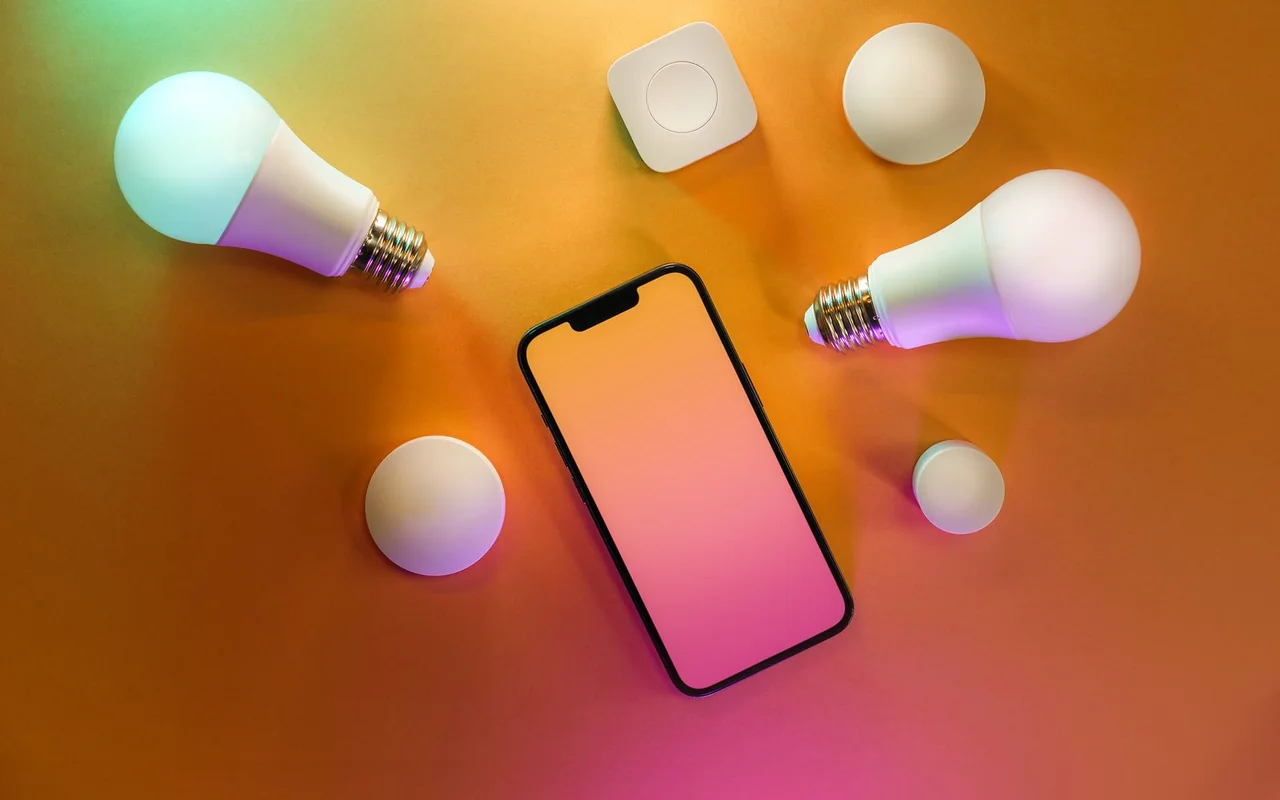
Give guests a predictable physical control while preserving scenes and the right recovery behavior.

Use the 2026 specification to interpret device sharing, commissioning and ecosystem-specific features.

Test retrieval, accuracy and memory use with a constrained document job before reaching for a larger model.
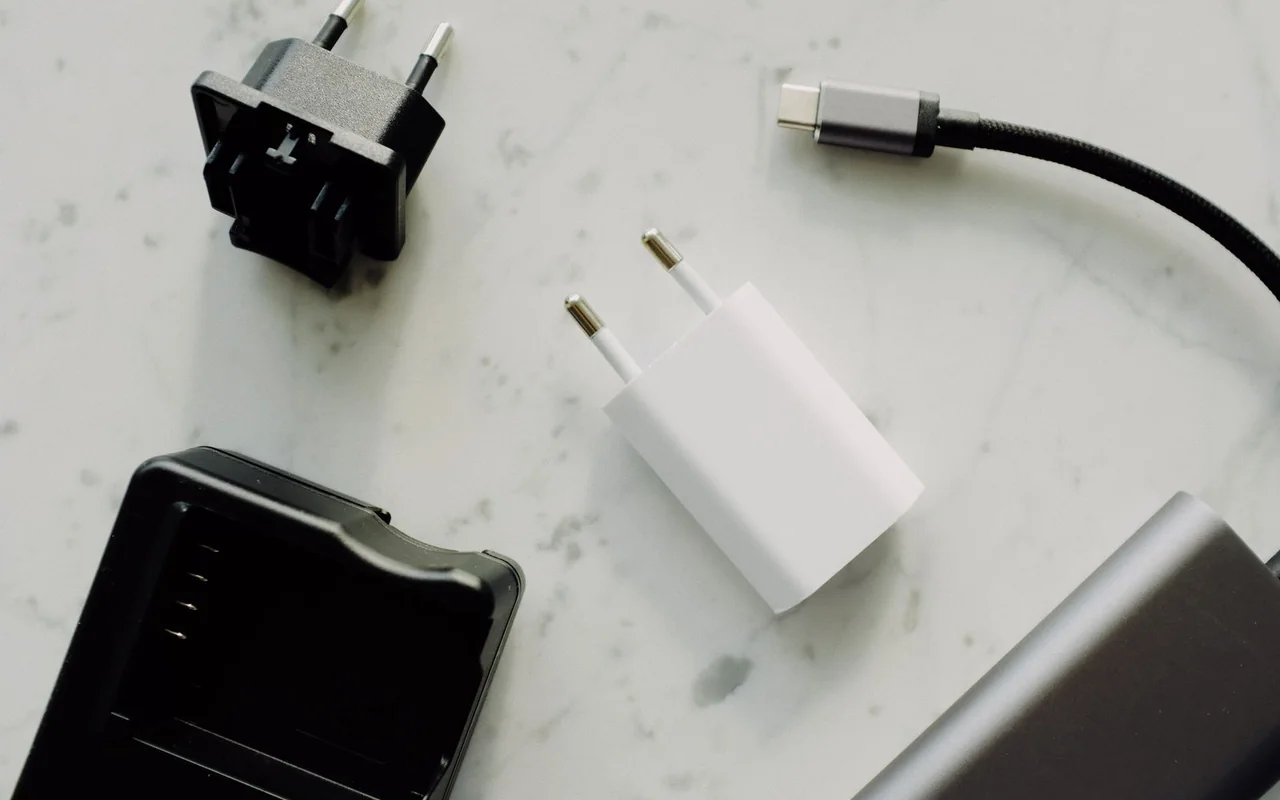
Power capability, negotiated charging and data speed belong on different lines of a shopping list.