
What a Pixel Tag Can Tell You About a Missing Bag
Google’s November 2026 Pixel Tag brings together a network sighting and nearby directional finding. Each answers a different question.
Search all 40 articles in the Gnlrw Tech edition.
40 stories
Google’s November 2026 Pixel Tag brings together a network sighting and nearby directional finding. Each answers a different question.

Read blur, noise and detail separately when a phone switches cameras or crops its main sensor.

Compare fit, speech clarity and sound leakage without using volume to mask traffic.

Trace one library loan and one owned book through formats, accounts and offline reading.
Protect the watch time you use by placing short charging breaks around routines you already have.

An exported notebook should preserve meaning, layout and enough context for later retrieval.
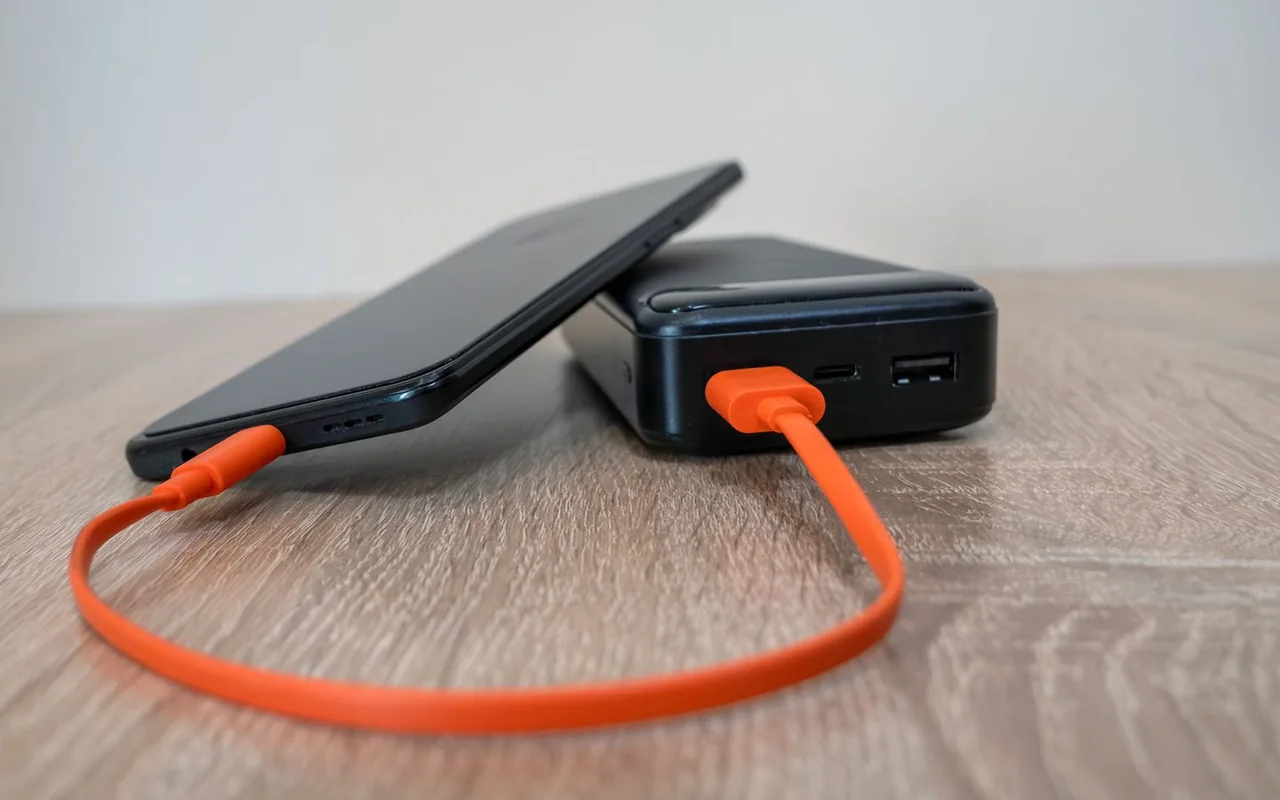
Separate watt-hours, port limits, cable capability and the battery capacity a phone can actually use.

Use card ratings, representative clips and camera warnings to diagnose a recording that ends early.
Separate a cooling adjustment from a vibration, GPU fan or changing background workload.
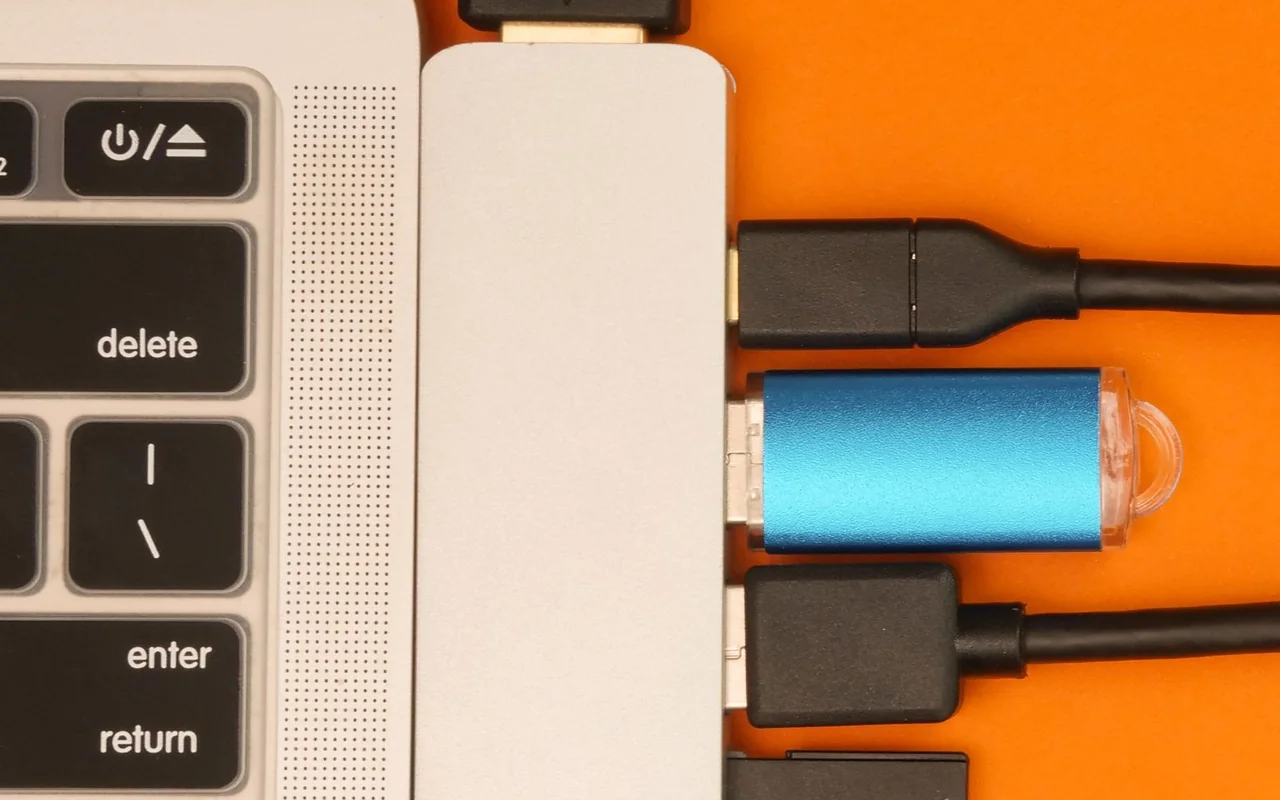
Trace the signal from laptop port through dock and cable to each display input.
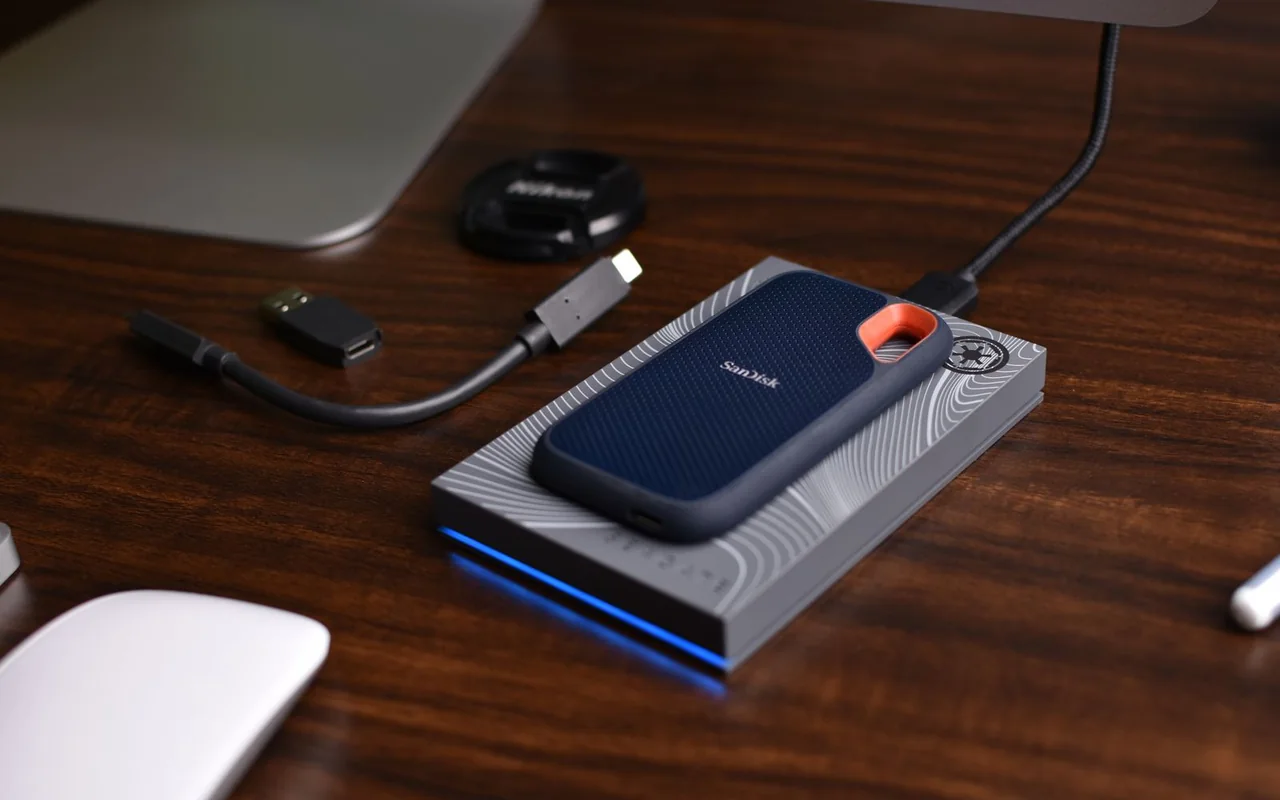
A sustained copy can show how cache, temperature, enclosure and host port shape usable speed.

Use reflections, text and work position to tune a screen before changing its color settings.

Build a short command inventory and place the actions that matter where your hands can reach them.
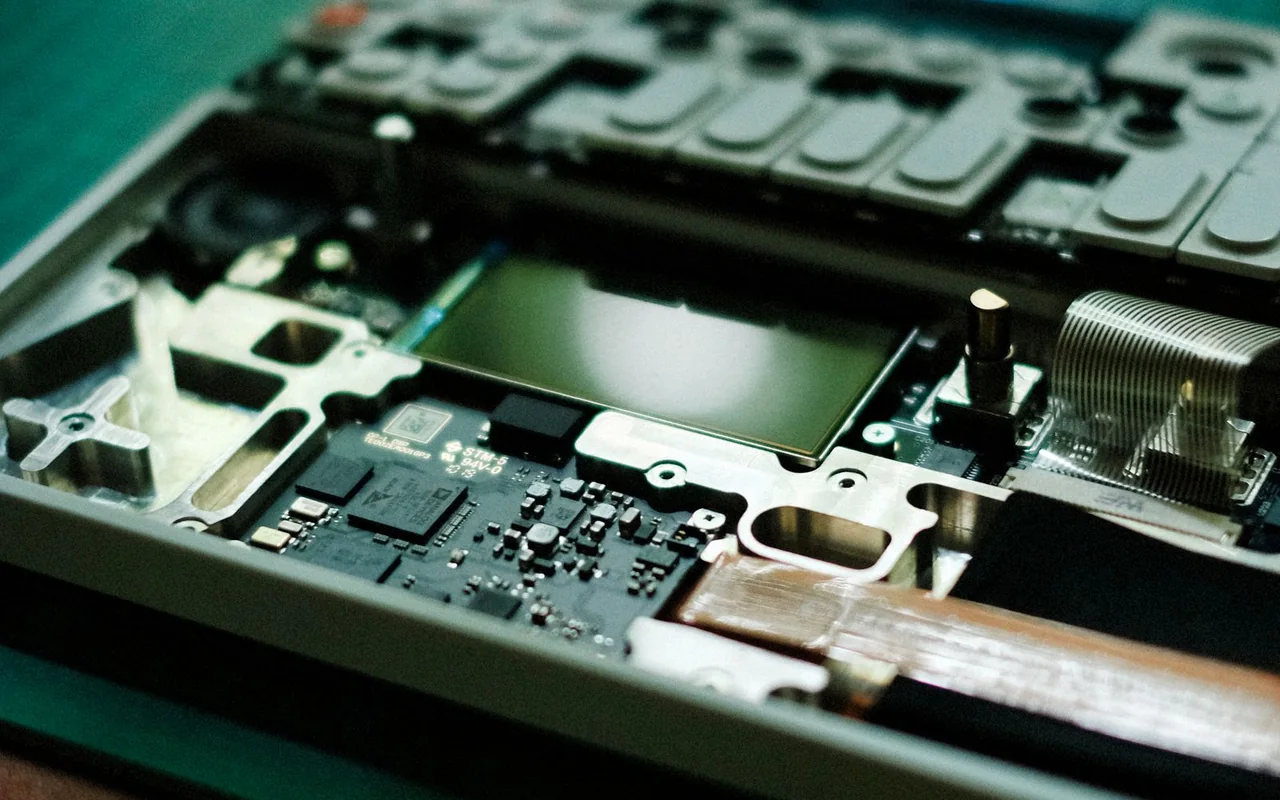
Check access, connectors, cooling and documentation before buying a small desktop you plan to keep.

Choose a readable workspace by separating physical size, pixel density and application zoom.

Link lighter editing copies to the originals while keeping timecode, audio and final output intact.
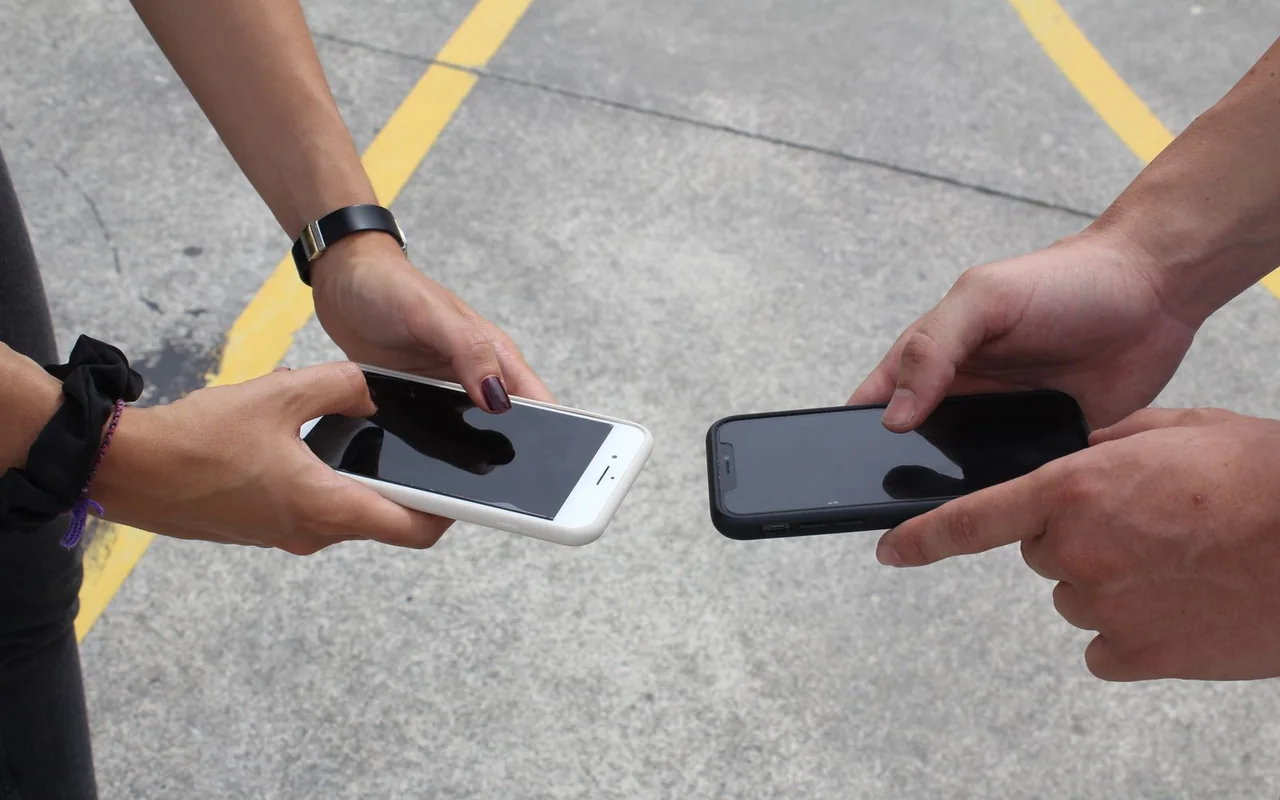
The 2026 rollout is worth checking conversation by conversation, especially after a group or network changes.
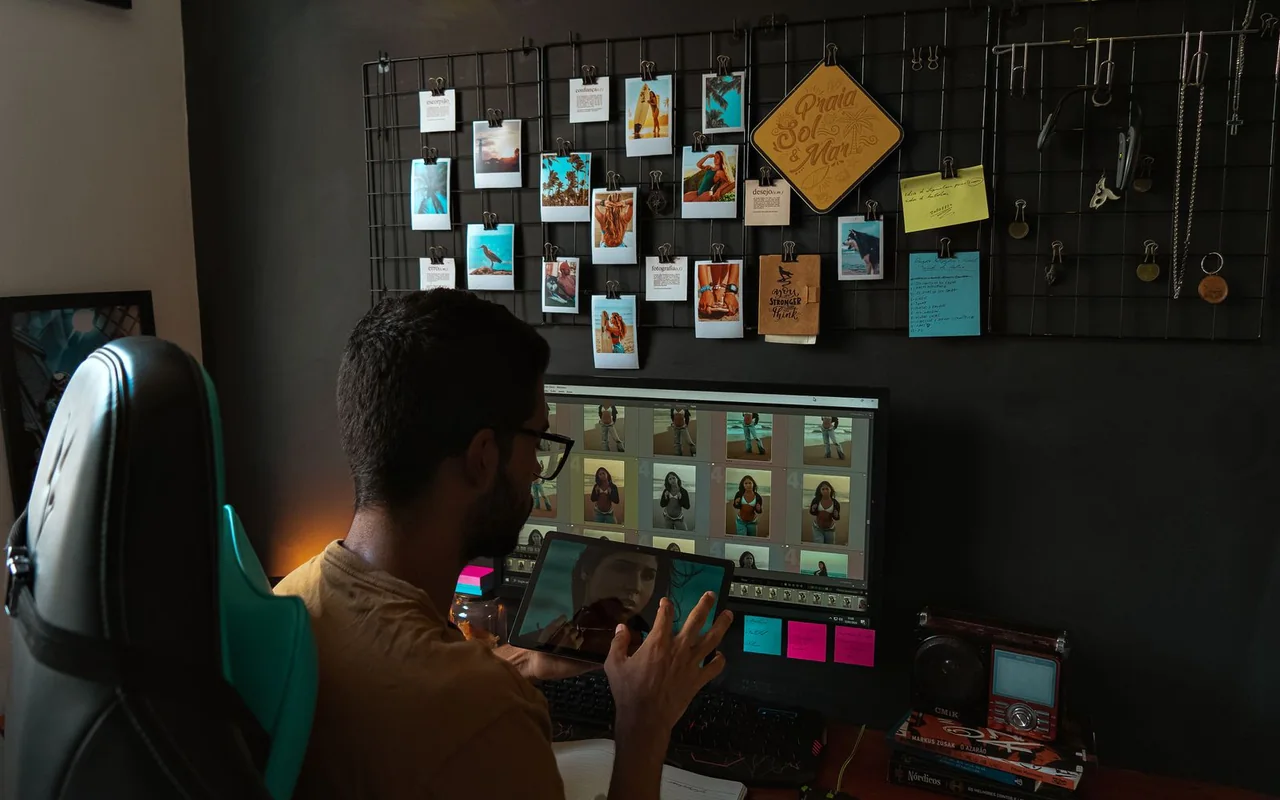
Keep originals, stable dates and portable descriptions together when exporting a small test library.

Distinguish device access from account recovery and verify a spare method while your main device still works.
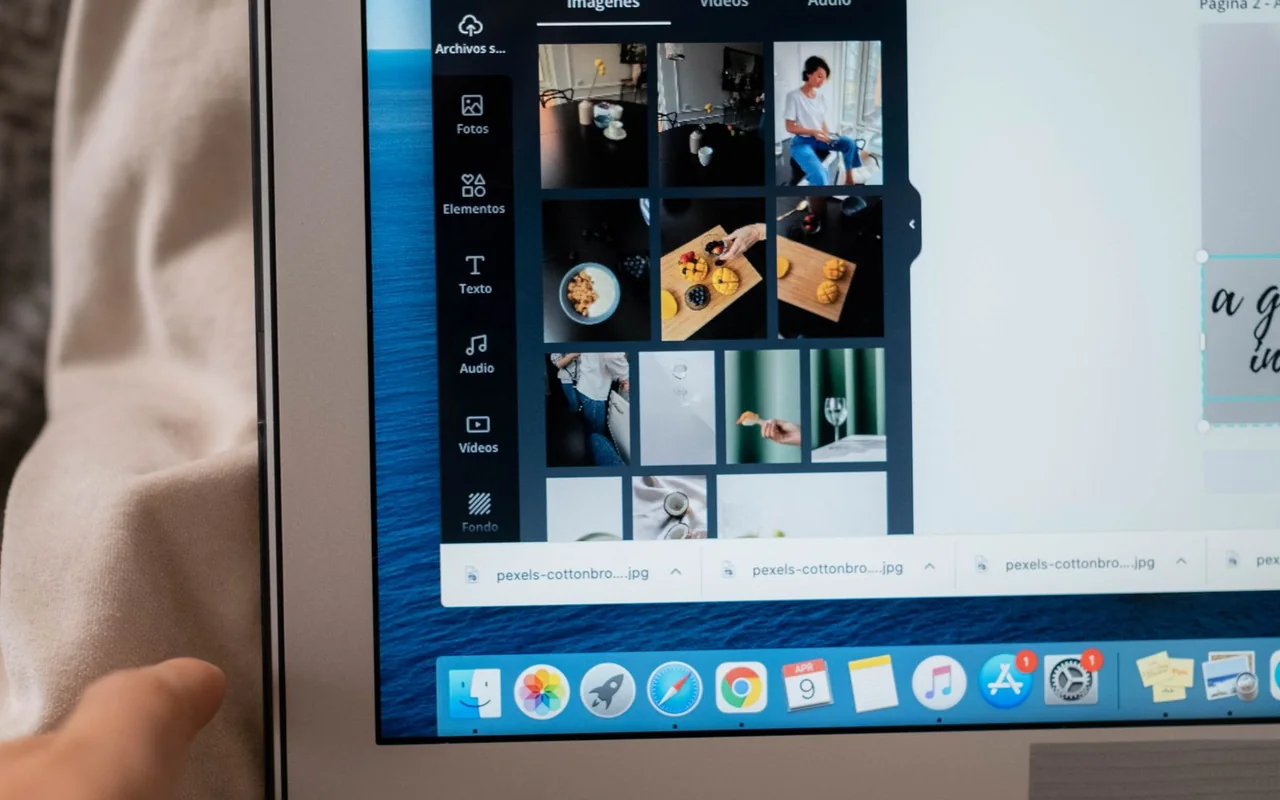
Separate sessions and bookmarks while accounting for downloads, extensions and device-level access.
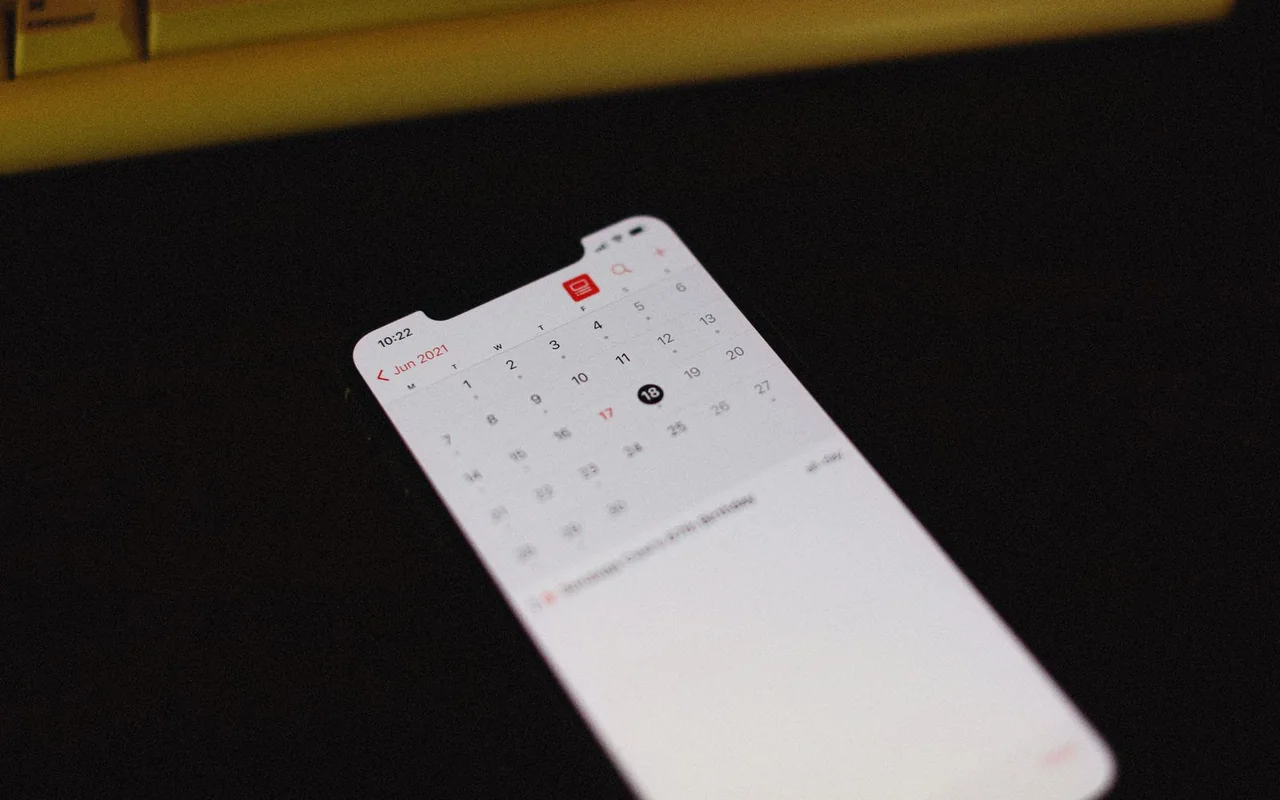
Work in the organizer’s time zone and check future dates where two regions change clocks on different weekends.

Check text selection, reading order and headings with the same export your readers will receive.
Use a throwaway note to inspect conflict behavior and keep a recoverable copy before a real merge.
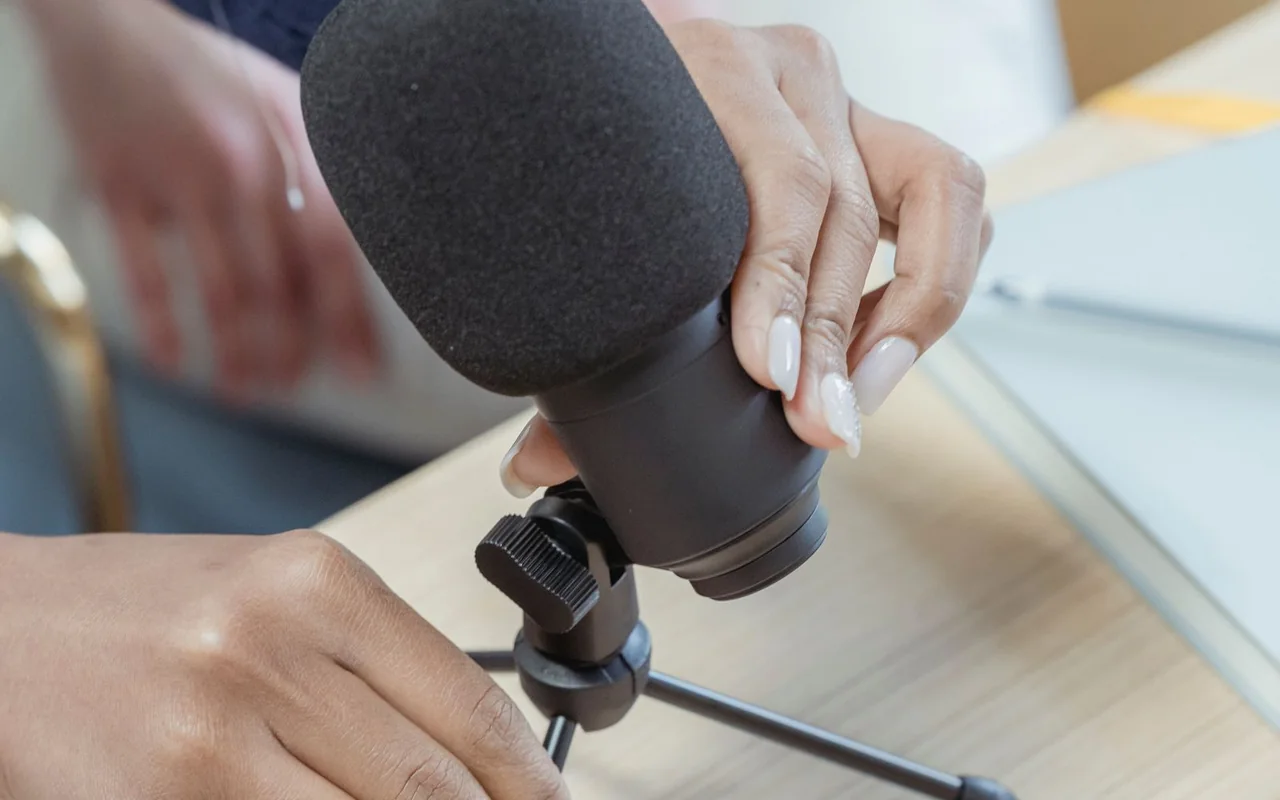
Names, numbers and corrections tell you more about speech-to-text reliability than a tidy demo.

An early gateway announcement puts the focus on reliability. A home network test starts where a connection actually fails.

A magnetic contact sensor depends on gap, material, alignment and the behavior of the door itself.

Give guests a predictable physical control while preserving scenes and the right recovery behavior.
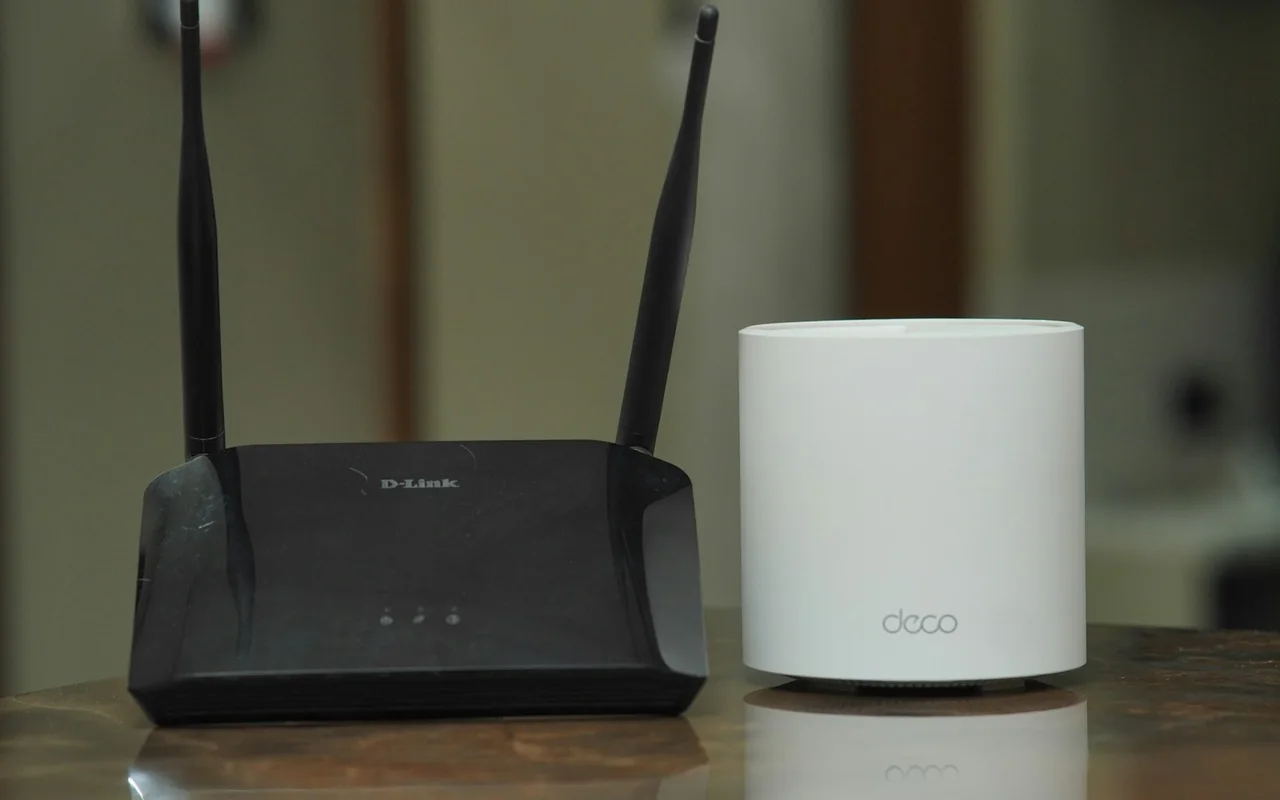
Measure the device-to-node and node-to-router paths separately before adding another access point.

Find whether the lag comes from grouped playback, a television input or a weak wireless link.

Wake-up time, motion detection and pre-event recording determine what a notification can show.
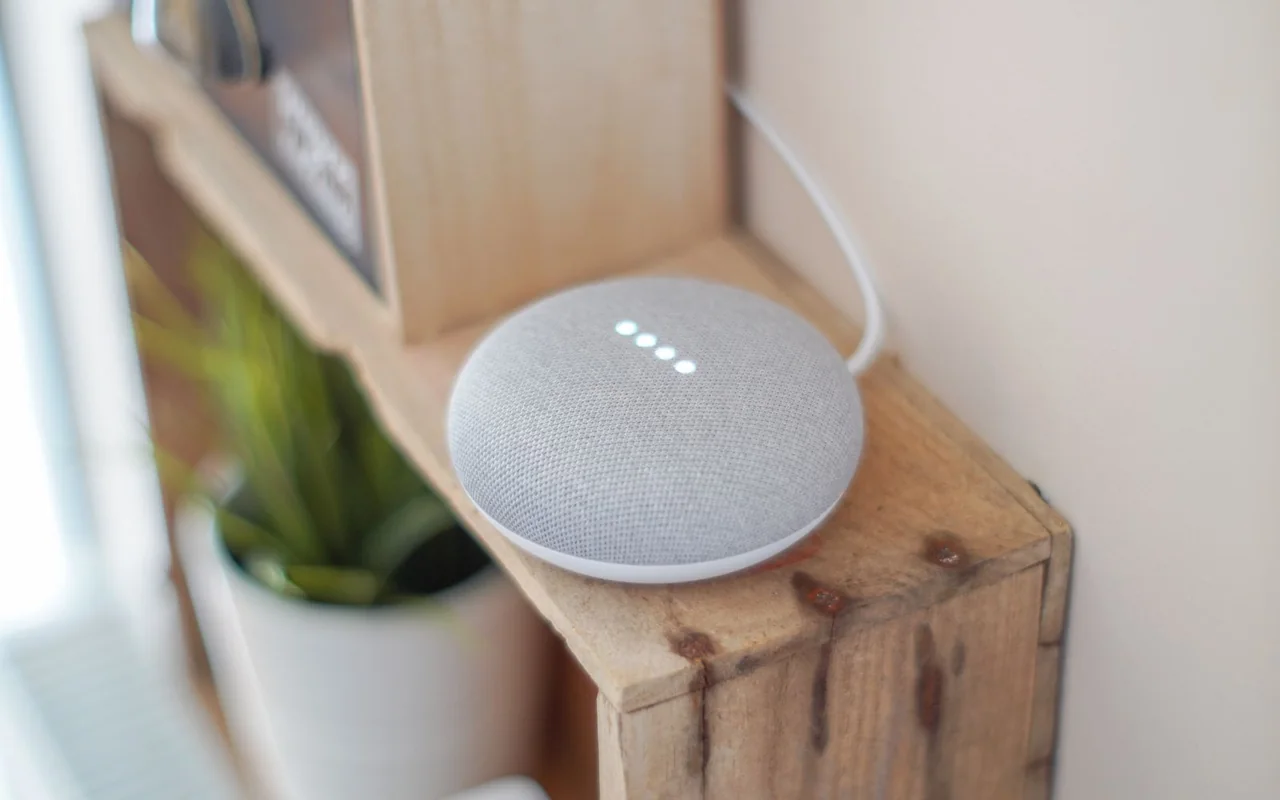
Use a safe outage rehearsal to separate home network control, platform automation and cloud features.
Check address changes, local discovery and power states before reinstalling the driver.

Use the 2026 specification to interpret device sharing, commissioning and ecosystem-specific features.

Test retrieval, accuracy and memory use with a constrained document job before reaching for a larger model.
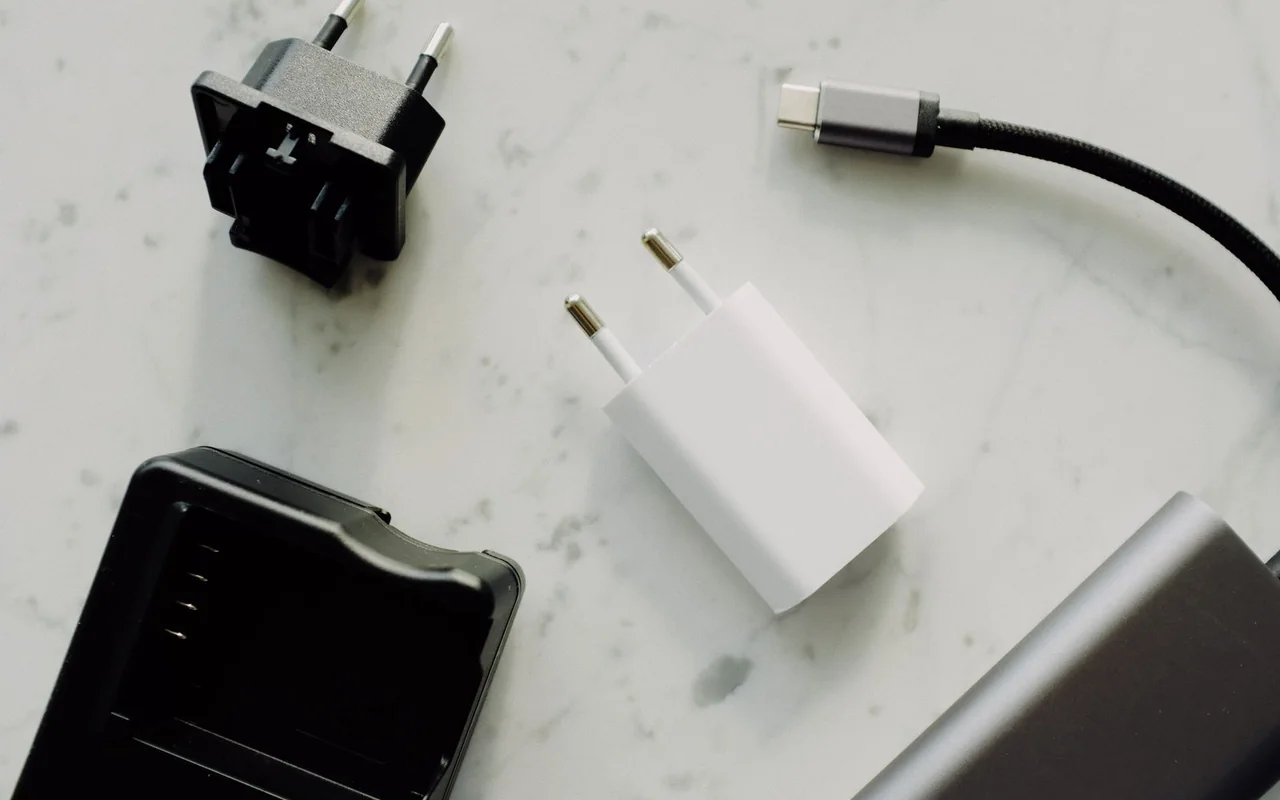
Power capability, negotiated charging and data speed belong on different lines of a shopping list.

Try a small HEIC export on the actual recipient’s software and decide which edits and metadata should travel.

Judge text from a normal seated position and account for fit, motion and contrast before using it as a monitor.

Separate an outlet on the vehicle from a supported whole-home system and map the loads you expect it to carry.
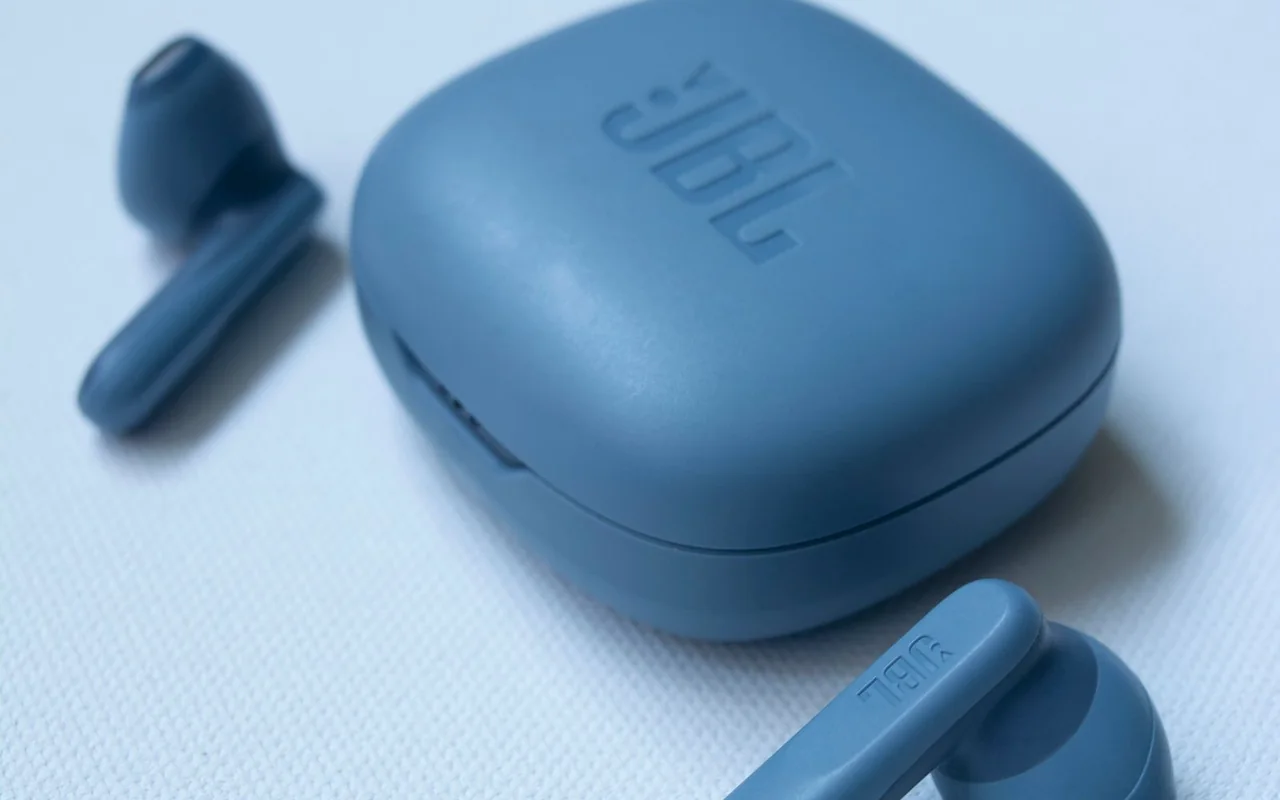
A compatible broadcast, receiver and access method all matter in a shared listening setup.

Plan a brief message, a clear outdoor location and an offline fallback before testing a device’s supported feature.